















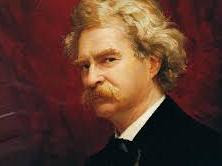







 Mark Twain’s “What is Man?“ presents a provocative argument that humans are fundamentally machines, driven by exterior influences and an inborn temperament. This idea completely negates traditional notions of free will and personal merit. According to the Old Man, all human actions, thoughts, and qualities, from intelligence to virtue, originate from outside and are “born in him.” For Twain, man creates nothing and earns no credit for his attributes or deeds. The sole impulse guiding every human act is the “imperious necessity of securing his own approval,” or “contenting his own spirit,” even though they may imagine they are self-sacrificing. The “Interior Master,” or “Conscience,” is a “blind, unreasoning instinct” that prioritizes its own contentment and makes all beneficence, patriotism, or even mother-love ultimately a means to self-satisfaction and not a selfless act. Therefore, all glory, praise, and applause belong “to God,” the “Maker” of this intricate human machine. In this way, humans are left without any “personal dignity” or “personal merit.” Even so, Twain does not leave humanity in this position of despair. But to know what his final recommendation is, one must read the essay.